
Use a big bunch of parsley in pesto or tabbouleh, turn a smaller handful into garlic bread, or toss it through a quick ravioli dinner. These six recipes give you quantities, serving sizes and a complete method, so the parsley becomes part of the meal.
Choose a recipe for the parsley you have
- A large bunch: make parsley pesto or the parsley-rich tabbouleh.
- A smaller handful: try radish salad, garlic bread or parsley-lemon ravioli.
- A spoonable sauce: make chimichurri for potatoes, roasted vegetables or grilled food.
Prepare and store the parsley
Rinse parsley under running water, without soap, and dry it with a clean towel before chopping. Remove coarse stems and measure the leaves as each recipe describes; bunches vary in size. FDA’s produce guidance also recommends refrigerating perishable herbs at 40°F or below.
Keep prepared salads, sauces and cooked leftovers cold. Refrigerate them within two hours, or within one hour when the temperature is above 90°F. Put cooked grain in a shallow container to cool promptly in the refrigerator rather than leaving a large bowl on the counter. FDA explains these handling rules.
In This Article
Why cook with parsley?
Parsley can be the main herb in a dish rather than a final sprinkle. Its fresh, grassy flavor pairs well with lemon, garlic, grains and vegetables. Use it generously in a salad or blend it into a sauce for another meal.
What can I use fresh parsley for?
For pasta, use the pesto or the parsley-lemon ravioli below. For a cold side, choose radish salad or tabbouleh. Chimichurri works as a condiment, while garlic bread makes a simple accompaniment to soup.
Fresh parsley gives these dishes their leafy texture and flavor. Dried parsley is not a direct cup-for-cup replacement in a parsley-heavy salad or sauce.
Which type of parsley is the best for cooking?
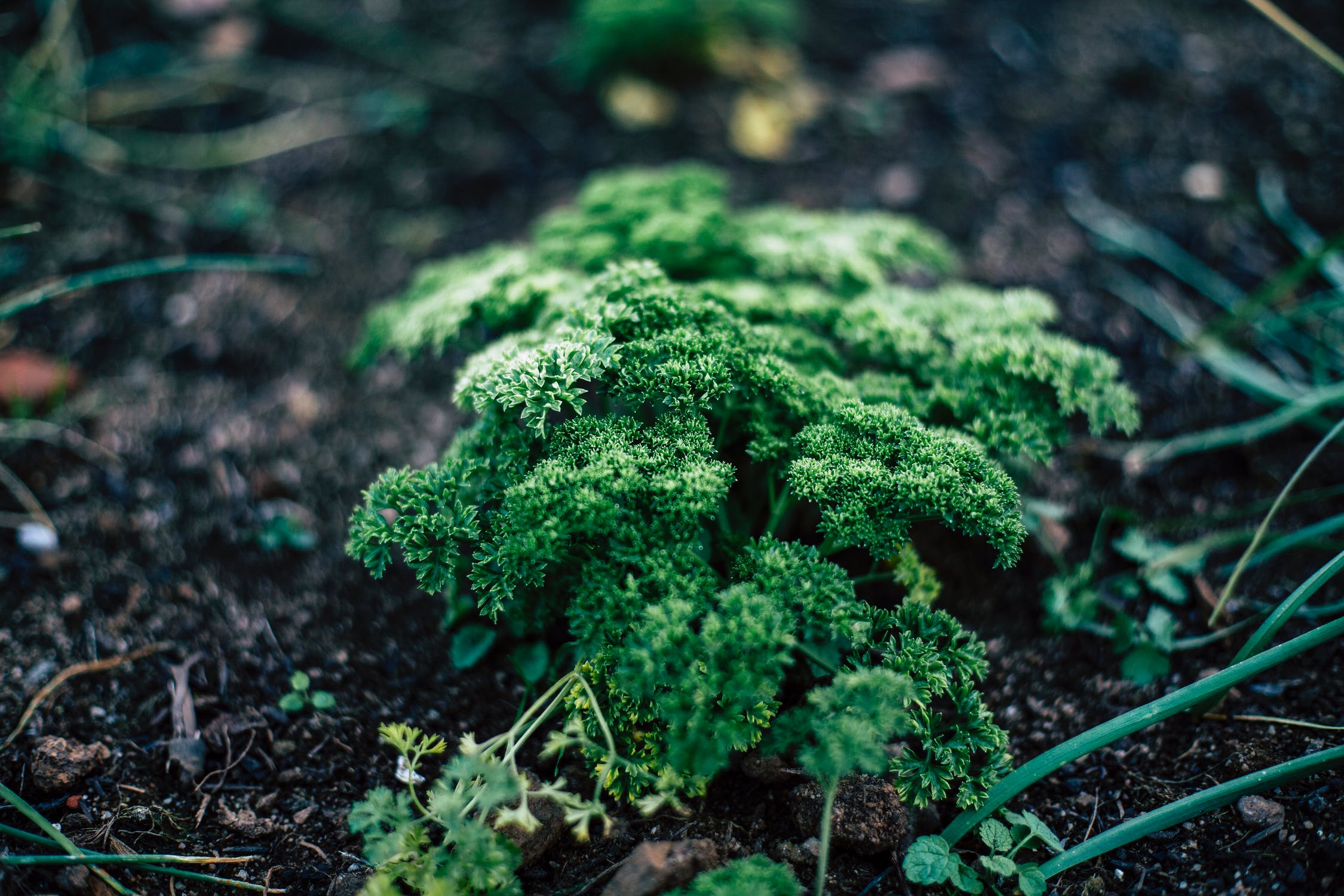
Both flat-leaf and curly parsley belong in the kitchen. Flat-leaf parsley is easy to chop and works well in sauces and hot dishes; curly parsley adds a springy texture to cold salads. Curly parsley is more than a garnish.
Use either type in the recipes below and chop curly leaves finely if you want a smoother texture. Purdue Extension’s parsley guide describes uses for both types.
What tastes good with parsley?
Start with the recipe that fits your meal. The cup measures below make the quantities clearer than buying by bunch size alone. Yields are approximate and depend on how finely you chop and the size of the produce.
Fresh Radish and Chopped Parsley Spring Salad Recipe
Serves 4 as a small side. Use 1 cup finely diced radishes and 1 cup finely chopped parsley. Start with 2 tablespoons juice from the lemon, 1 tablespoon olive oil, ¼ teaspoon salt and a little black pepper.

Ingredients for this recipe:
- 1 bunch of raw red radishes, diced (approximately 1 cup)
- 1 lemon, juiced
- 1 bunch of finely chopped fresh parsley leaves
- sea salt & black pepper, to taste
- 1 tbsp extra virgin olive oil
How to make:
- Whisk the lemon juice, olive oil, salt and pepper in a bowl.
- Add the diced radishes and chopped parsley, then toss until lightly coated.
- Taste and add a little more lemon juice if you want a sharper dressing. Serve cold with sandwiches, beans or roasted vegetables.
Tabbouleh / Tabouli Salad Recipe
Serves about 6 as a side. Measure 4 cups finely chopped parsley from the bunches. Use the 1 cup of dry bulgur in the ingredient list, plus the tomato, green onion and mint. This makes a substantial parsley-and-grain salad.

Ingredients for this recipe:
- 1 cup fine-grain bulgur wheat or regular bulgur wheat (or quinoa, which is naturally gluten-free)
- 3 bunches of raw curly parsley, washed and chopped (or blitzed in a food processor to save time)
- 1 large tomato, chopped
- 1 small green onion, chopped
- 1/3 cup fresh mint
- 2 tbsp freshly squeezed lemon juice
- salt, and black pepper
- 1 pinch of ground allspice, 1 pinch of ground cinnamon
- 1 medium clove of garlic, pressed or minced
- 1/3 cup olive oil
How to make:
Prepare 1 cup dry bulgur according to the directions for that grind; fine and coarse bulgur need different handling. Drain any excess liquid. For the quinoa variation, cook 1 cup dry quinoa according to its package. Spread the cooked grain in a shallow container and refrigerate promptly until cold.
- Whisk ⅓ cup olive oil with 2 tablespoons lemon juice, the minced garlic clove, ¼ teaspoon salt, a little black pepper and a pinch each of allspice and cinnamon.
- Combine the cold prepared grain, chopped tomato, green onion, mint and parsley in a large bowl.
- Add the dressing and toss thoroughly. Taste before adding more salt or lemon, then keep chilled until serving.
For a more herb-forward bowl, hold back some of the cooked grain when mixing. Chopped cucumber is a useful addition if you want extra crunch.
Serve as a side with chickpeas, hummus or grilled vegetables. Refrigerate leftovers promptly and use within 3–4 days.
Parsley Pesto Recipe
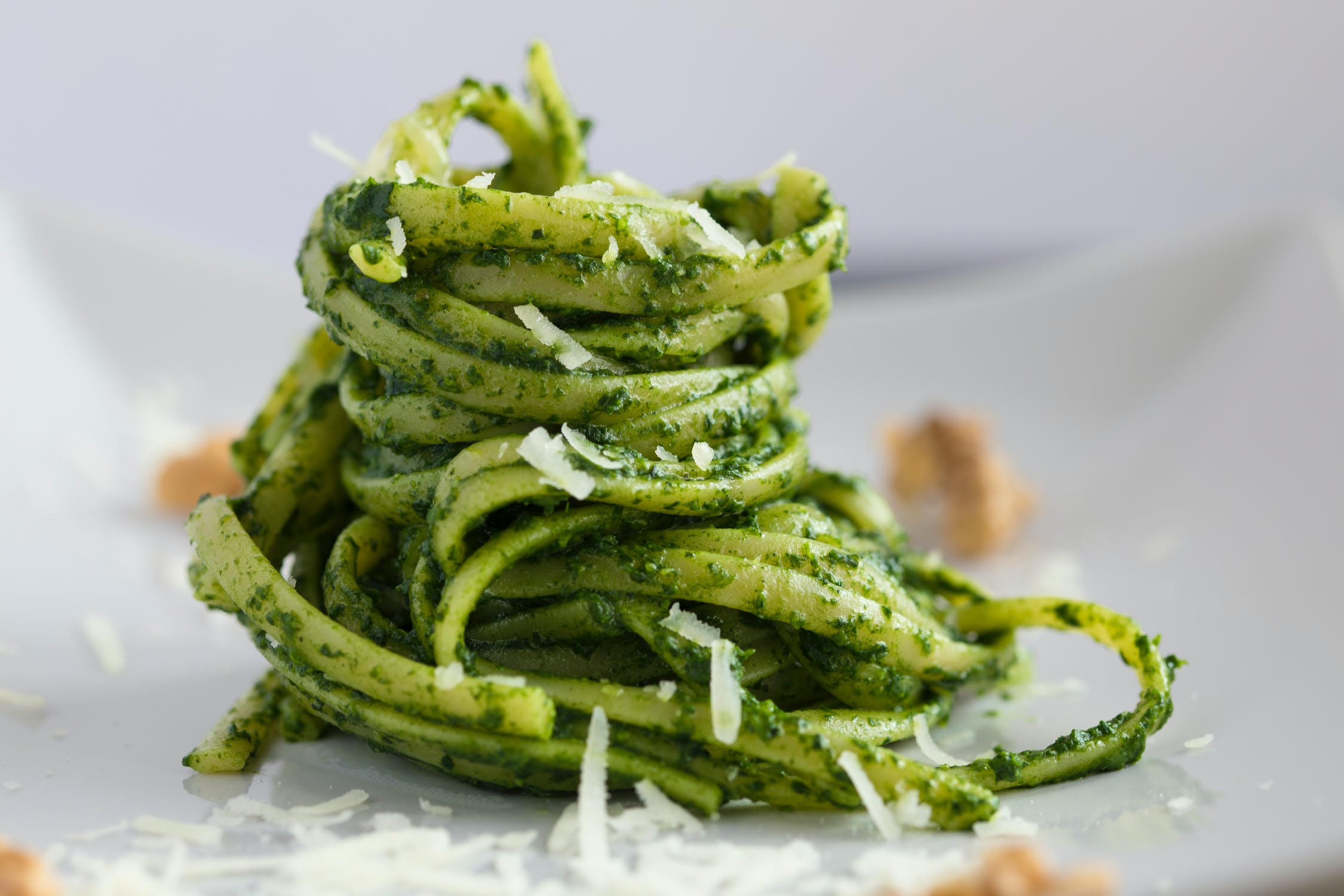
Makes about 1¼ cups, enough for 4 pasta servings. Use 1 cup parsley leaves and 1 cup basil leaves for the second herb option below, measured before chopping. Choose ½ cup walnuts, ⅓ cup olive oil, 2 tablespoons lemon juice, 1 garlic clove and ¼ cup grated Parmesan or vegetarian hard cheese.
Ingredients for this recipe:
- 1 cup fresh parsley
- 1 cup carrot greens / basil / mint
- 1/2 cup walnuts / pine nuts / cashews
- extra virgin olive oil
- 1 clove fresh garlic, peeled
- lemon juice
- sea salt & black pepper
- grated parmesan cheese or vegan hard cheese
How to make:
- Pulse the walnuts and garlic in a food processor until finely chopped.
- Add the parsley, basil, cheese, lemon juice, ¼ teaspoon salt and a little black pepper. Pulse to chop the leaves.
- With the machine running, add the olive oil gradually. Stop while the sauce still has some texture.
- For pasta, toss with cooked pasta off the heat and loosen with a little pasta cooking water. Use the same pesto on potatoes or in sandwiches.
Refrigerate pesto immediately at 40°F or below and use within four days, or freeze promptly in small portions. Take out only what you will serve. Oregon State Extension specifically includes pesto in its herb-and-oil storage guidance.
Extra virgin olive oil or regular olive oil?
Extra virgin olive oil adds its own flavor to an uncooked sauce. A milder olive oil also works if you prefer a subtler result. Choose one you enjoy; neither requires changing the method.
Can parsley be frozen?
Wash parsley, drain it and pat it dry. Freeze leaves or sprigs in well-sealed freezer bags or containers. Label the package so you can identify it later. The National Center for Home Food Preservation explains this method.
For small cooking portions, you can also freeze chopped parsley mixed with oil in an ice cube tray, then transfer the frozen cubes to airtight freezer packaging. Add a frozen portion directly to a soup or sauce, or thaw it in the refrigerator. Thawed parsley is softer and suits cooked dishes better than a crisp garnish; it will not have fresh-leaf texture.
Chimichurri Recipe
Makes about 1 cup, or 6 condiment servings. For this batch, measure 1 cup finely chopped parsley and 2 tablespoons oregano leaves from the bunches. Use ⅓ cup finely diced red onion, the 2 minced garlic cloves, 1 tablespoon red wine vinegar, 2 tablespoons lemon juice and ¼ cup olive oil. Leave out the optional cilantro for a parsley-led sauce.

Ingredients for this recipe:
- 1 bunch fresh parsley, finely chopped
- 1 bunch fresh oregano, finely chopped
- 1/2 cup fresh cilantro (optional)
- 1 small red onion, finely diced
- 1 tbsp red wine vinegar
- 2 raw garlic cloves
- 1 lemon, juice, freshly squeezed
- sea salt and black pepper
How to make:
- Stir the parsley, oregano, onion and garlic together in a bowl.
- Add the vinegar, lemon juice and olive oil, with ¼ teaspoon salt and a little black pepper.
- Mix until the herbs are evenly moistened. Taste and adjust the salt or lemon a little at a time.
Spoon over baked potatoes, beans or grilled vegetables. Refrigerate immediately at 40°F or below and use within four days, or freeze promptly. Lemon and vinegar add flavor; keep this sauce refrigerated. NCHFP gives the cold-storage limit for homemade garlic-in-oil mixtures.
Herby Parsley Garlic Bread
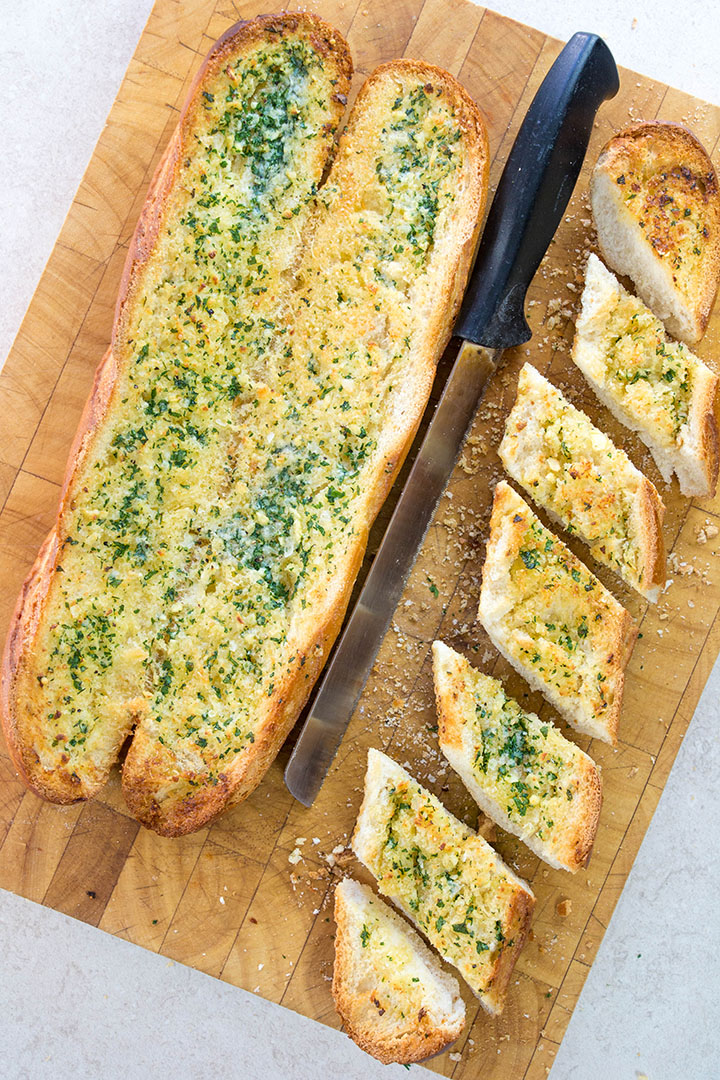
Serves 4. Choose a small French loaf, about 8 ounces (225 g), and measure ⅓ cup finely chopped parsley from the bunch. Use the 2 tablespoons softened butter and small garlic clove below, plus ¼ cup grated Parmesan or vegetarian hard cheese.
Ingredients for this recipe:
- 1 bunch parsley
- 1 French loaf
- 2 tbsp butter, softened
- grated parmesan cheese
- 1 small clove of garlic
How to make:
- Heat the oven to 400°F. Split the loaf lengthwise and put it cut-side up on a baking sheet.
- Mince the garlic and mix it with the softened butter, parsley and cheese.
- Spread the mixture evenly over the cut bread.
Bake for about 8–12 minutes, checking early, until the bread is hot and its edges are golden. Slice into 4 portions and serve with soup or a salad. Refrigerate leftovers promptly; reheat until hot throughout.
Parsley Ravioli Pasta Recipe
Serves 2. For a quick dinner, use purchased cheese ravioli with parsley-lemon butter. The flour-and-egg dough and ricotta filling below are separate homemade components, not ingredients required for this quick version.
Ingredients for this recipe:
For the quick version: use one 9–10 ounce (250–280 g) package of cheese ravioli, 2 tablespoons butter, ½ cup finely chopped parsley, 1 teaspoon finely grated lemon zest, 1 tablespoon lemon juice and 2 tablespoons grated Parmesan or vegetarian hard cheese. Keep the ravioli refrigerated or frozen as its package directs until cooking.
The dough and filling lists that follow are for a separate from-scratch pasta project. If you are using purchased ravioli, skip those components and follow the quick method below.

Pasta dough:
- 1 1/2 cups flour (the best choice is 00 flour, also known as pasta flour)
- 1 pinch salt
- 1 egg
- 2 egg yolks
- 1 tbsp olive oil
Pasta filling:
- 1 bunch parsley
- 2 cups ricotta cheese
- 2 tbsp parmesan cheese, grated
- 1 lemon, juiced, and zested
- 1 pinch nutmeg
- salt and black pepper to taste
How to make:
Use the purchased cheese ravioli and parsley-butter quantities above for this method:
- Cook the ravioli according to its package directions. Reserve ¼ cup cooking water before draining.
- While the pasta cooks, melt the butter gently in a skillet. Remove from the heat and stir in the parsley, lemon zest and lemon juice.
- Add the cooked ravioli and 2 tablespoons of the reserved water. Toss gently, adding a little more water if needed to coat the pasta.
- Divide between 2 bowls and finish with the cheese. Serve immediately and refrigerate leftovers promptly.
Parsley goes with everything!
Use chopped parsley with beans, potatoes, eggs or vegetables, or stir a little into soup near the end of cooking. A spoonful of pesto can dress a larger meal, so small frozen portions are handy when there is more parsley than you need today.
What happens when you eat too much parsley?
For a large bunch, make a parsley-heavy salad or pesto and freeze the extra portions. Spread it between meals rather than trying to fit the whole bunch into one dish. Keep these recipes in parsley’s culinary role; they are not instructions for making concentrated teas or extracts.


